Is tax filing included in a literacy seminar?
No. Literacy is general education; filing support is a separate, optional service.
Start with tax education, then offer optional filing help to employees who request it. Explain the provider, scope, documents, fees, privacy terms and employee responsibilities before sensitive information is collected.
Tax filing support is a separate, optional service that may help an eligible employee organise information and prepare or file an income-tax return. Confirm who performs each step and what is outside scope. General workplace education is not a substitute for case-specific tax advice.
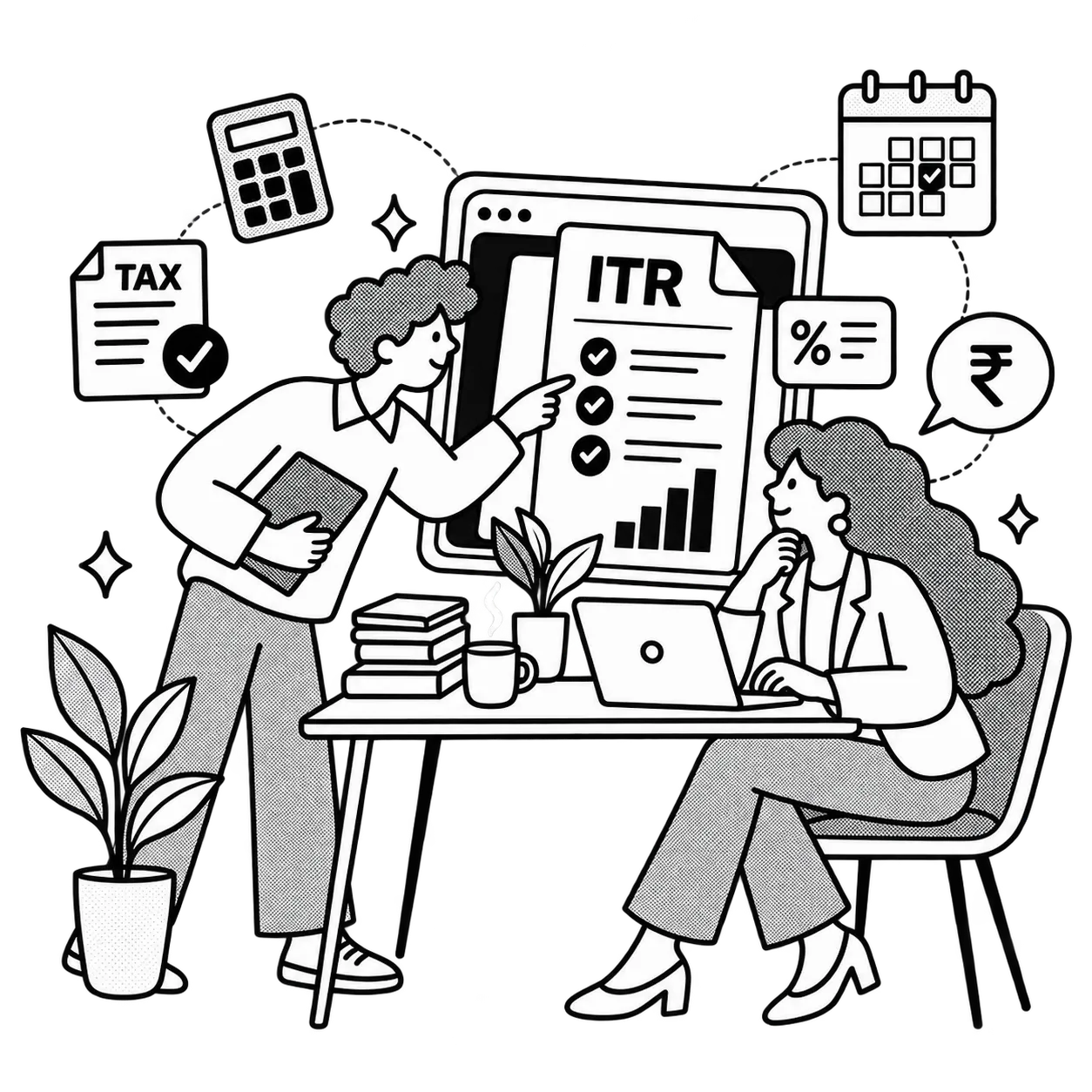
Education explains concepts and common documents. Planning considers choices before transactions or year-end. Filing reports completed-year information through the applicable return and process. Confirm whether the service covers only salaried returns or also capital gains, foreign assets, business income, notices, revised returns or other complexity.
Start with the tax learning hub.
Possible inputs include PAN and identity details, Form 16, AIS/TIS, interest certificates, deduction evidence, housing-loan information and investment or capital-gain records, depending on the return. Show a current checklist after eligibility review; never request every document by default.
Employee opts in.
Scope, provider, credentials, fees and privacy are disclosed.
Eligibility and complexity are assessed.
Required documents are requested securely.
Draft figures are reviewed with the employee.
The authorised party files or guides filing; acknowledgement and follow-up responsibilities are explained.
The employee remains responsible for complete and accurate information and for reviewing the return. Do not promise a refund, zero tax, error-free filing, notice prevention or acceptance. Tax rules, forms and deadlines can change; check the applicable assessment year and official Income Tax Department sources before acting.
No. Literacy is general education; filing support is a separate, optional service.
Confirm the actual Saventh or partner role, credentials and hand-off before collecting documents.
Confirm the included income types, complexity limits, assessment year and exclusions during scoping; do not assume universal coverage.
No. Outcomes depend on the employee’s facts, complete information, applicable law and tax-authority processes.
No individual PAN, income, deduction, return, refund or document information should be included in employer reporting.
Use a literacy session for universal tax awareness and offer filing support only through a clearly defined, secure opt-in process.

Employee financial wellness, literacy sessions, and guided next steps for Indian workplaces.
Saventh Investment is an AMFI Registered Mutual Fund Distributor.
Disclaimer: Mutual fund investments are subject to market risks. Please read the scheme information and other related documents carefully before investing. Past performance is not indicative of future returns. Please consider your specific investment requirements before choosing a fund, or designing a portfolio that suits your needs.
Saventh Investment makes no warranties or representations, express or implied, on products offered through the platform of Saventh Investment. It accepts no liability for any damages or losses, however, caused, in connection with the use of, or on the reliance of its product or related services. Terms and conditions of the website are applicable.
Investments in Securities markets are subject to market risks, read all the related documents carefully before investing.

AMFI Registered
ARN - 324457